







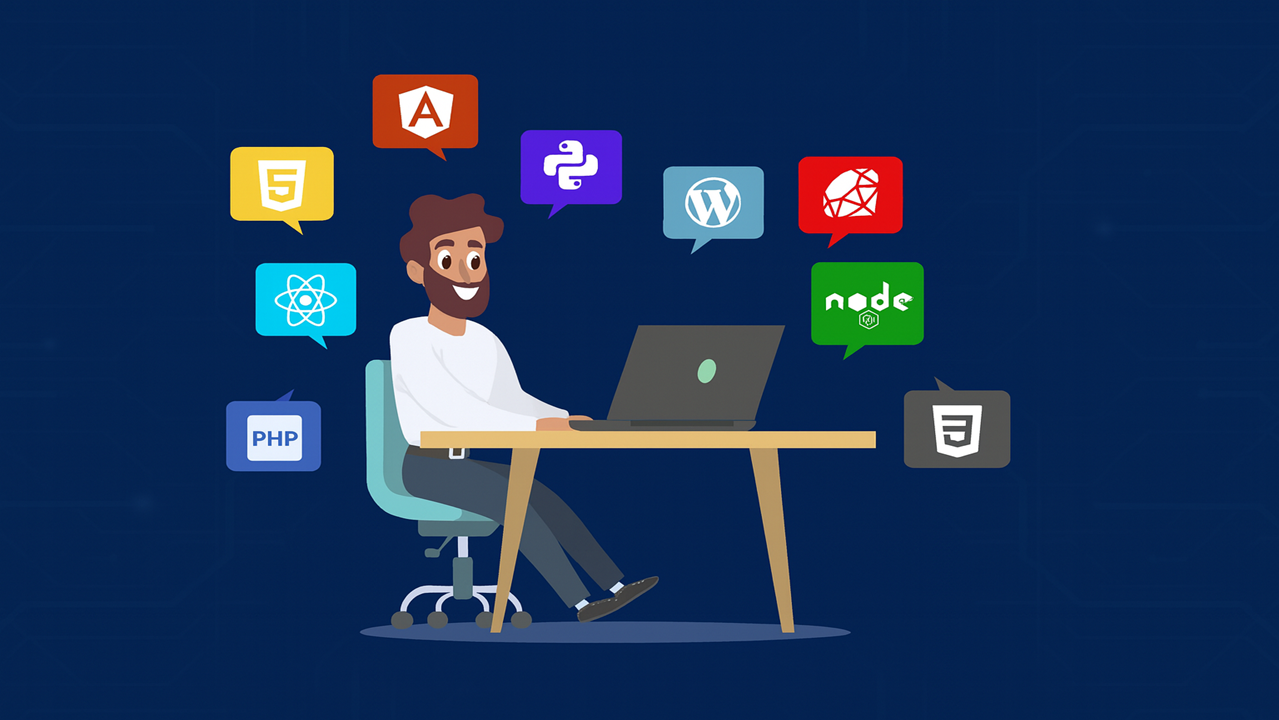
How to Choose the Right Tech Stack for Your Next Big Project
Choosing the right tech stack can make or break your project. It affects performance, scalability, security, delivery speed, and long-term maintenance. Moreover, the wrong choice often leads to delays, budget overruns, and technical debt. Therefore, selecting the right combination of technologies is one of the most important decisions you will make at the start of any digital project.
Below is a clear, practical guide to help you choose the perfect tech stack with confidence.
1. Understand Your Project Requirements Clearly
Before comparing technologies, you must understand what your project actually needs. This step ensures that every technical decision is aligned with real goals.
Ask questions like:
- What problem am I solving?
- Is this a simple MVP or a large enterprise system?
- Will it require heavy data processing or real-time updates?
- What are the performance expectations?
Once you clarify these, it becomes much easier to shortlist the right technologies.
2. Define Your Project Type
Different projects require different tech stacks. For example:
a) Web Applications
You will typically choose between:
- Frontend: React, Angular, Vue
- Backend: Node.js, Django, Laravel, Spring Boot
b) Mobile Applications
Options include:
- Native: Swift (iOS), Kotlin (Android)
- Cross-Platform: Flutter, React Native
c) Data-Heavy or AI Projects
Best choices include:
- Python, PySpark, TensorFlow, Databricks, Hadoop, Snowflake
d) Enterprise Applications
Common stacks are:
- Java + Spring Boot + Oracle/PostgreSQL
- .NET + Azure SQL
- SAP + Integration Suite
Knowing your project type quickly narrows down your options.
3. Consider Scalability and Performance Needs
Performance and scalability directly affect user experience. That’s why choosing technologies that grow with your business is essential.
Look for:
- Languages known for performance (Go, Java, C#, Rust)
- Cloud-native architectures (AWS/Azure/GCP)
- Scalable databases (PostgreSQL, MongoDB, DynamoDB)
- Systems supporting microservices
As your user base grows, the stack should support thousands—or even millions—of requests without slowing down.
4. Check Developer Availability and Skill Set
Even the best tech stack fails if you don’t have the talent to maintain it.
Therefore:
- Choose technologies your team already knows, or
- Select technologies that are easy to hire for, globally
For example, React, Node.js, Python, and Java developers are widely available, while niche frameworks may slow down hiring and development.
5. Evaluate Long-Term Maintenance and Community Support
A strong developer community is a sign that the technology will stay relevant. It also means:
- Faster troubleshooting
- More learning resources
- Frequent updates
- Better security patches
Hence, prefer well-established ecosystems like JavaScript, Python, Java, .NET, and PHP.
6. Ensure Strong Security Capabilities
Security should influence your tech stack decision from day one.
Choose technologies that provide:
- Built-in security features
- Frequent updates
- Known security best practices
- Compatibility with compliance requirements (ISO, HIPAA, GDPR)
This reduces vulnerabilities and builds user trust.
7. Plan the Budget and Time-to-Market
Budget and timelines are major factors. Some technologies help you ship faster and at a lower cost.
For example:
- Using low-code platforms can reduce development time.
- Frameworks like React, Rails, and Django offer faster MVP development.
- Cloud-native tools reduce infrastructure cost.
Balancing speed and quality is key.
8. Choose Based on Real Case Studies and Practical Examples
Look at successful companies using these stacks:
- Netflix: Node.js + Java + React
- Uber: Go + Node.js + Java
- Airbnb: React + Ruby on Rails
- Instagram: Python + Django
Understanding real-world usage helps validate your decisions.
9. Future-Proof Your Stack
Technology evolves rapidly. Therefore, pick frameworks and languages that will remain relevant for years.
Look for:
- Strong roadmap
- Active community
- Large enterprise adoption
- Integration with AI, cloud, and DevOps tools
This ensures your project remains stable and scalable long-term.
Conclusion: Make the Right Choice with a Clear Framework
Selecting the right tech stack becomes much easier when you:
- Understand requirements
- Match the stack with project type
- Focus on scalability
- Consider developer availability
- Evaluate security and community support
- Optimize for cost and time
When your tech stack aligns with your goals, your project becomes faster, smoother, and far more successful.
